Early uncertainty
You need useful answers before every subsystem detail is finalized.

Services
Ephemersys helps satellite teams evaluate mission feasibility, radiation risks, communications constraints, and design trade-offs through focused engineering studies and expert support.
The Challenges
Early mission phases often require fast but defensible answers. Teams need to compare architectures, estimate margins, assess risks, and prepare proposals before the design is mature.
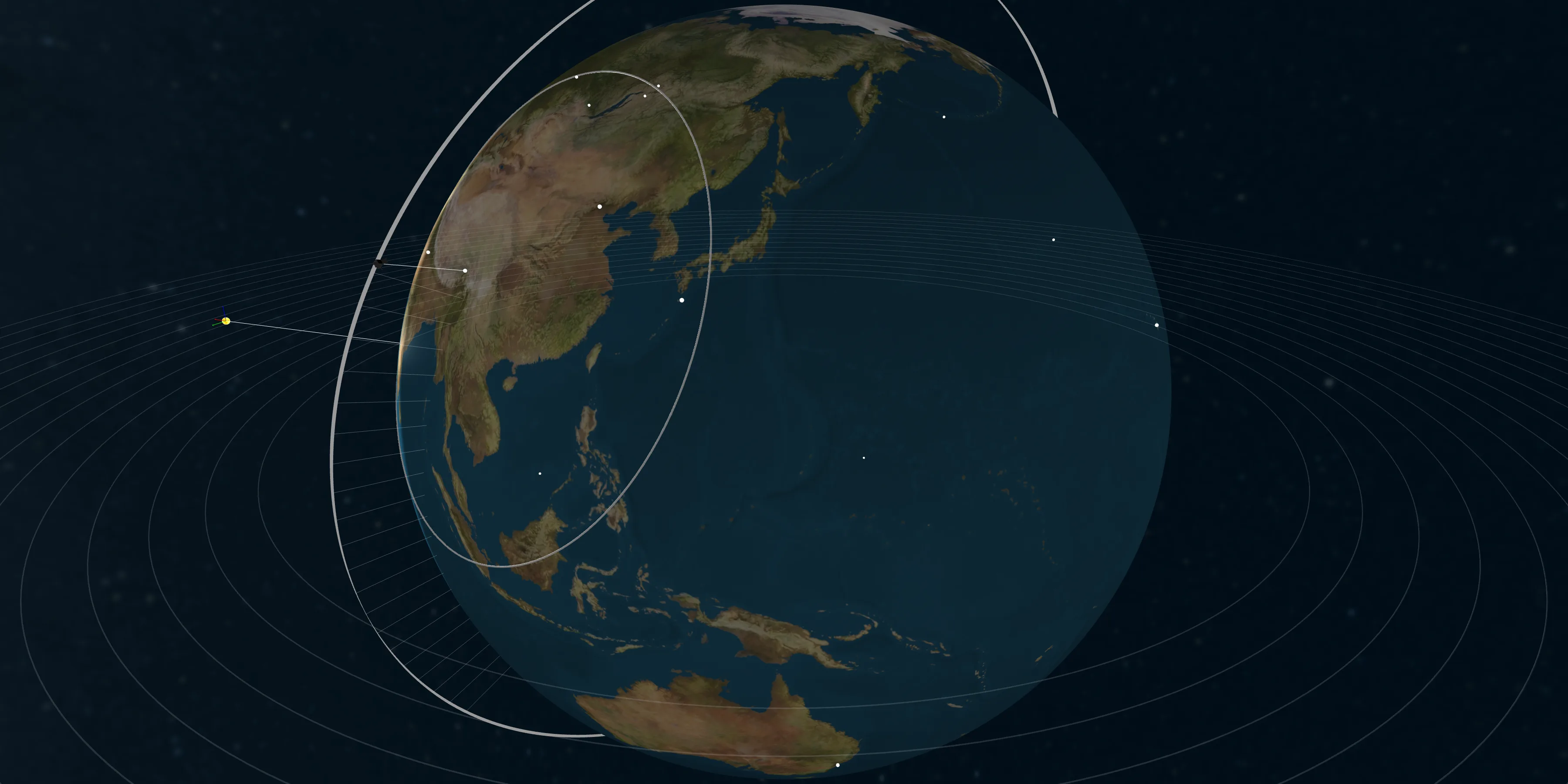
These questions are rarely isolated. Orbit choices affect communication windows. Communication needs affect power budgets. Geometry and shielding affect radiation exposure. Lifetime constraints influence mission feasibility.
Ephemersys supports teams when they need focused analysis, independent review, or custom engineering workflows to move from uncertainty to decision.
You need useful answers before every subsystem detail is finalized.
Mission design, communications, power, radiation, shielding, and lifetime constraints interact.
Your team may not have the time, tooling, or specialist expertise to analyze every option quickly.
Service areas
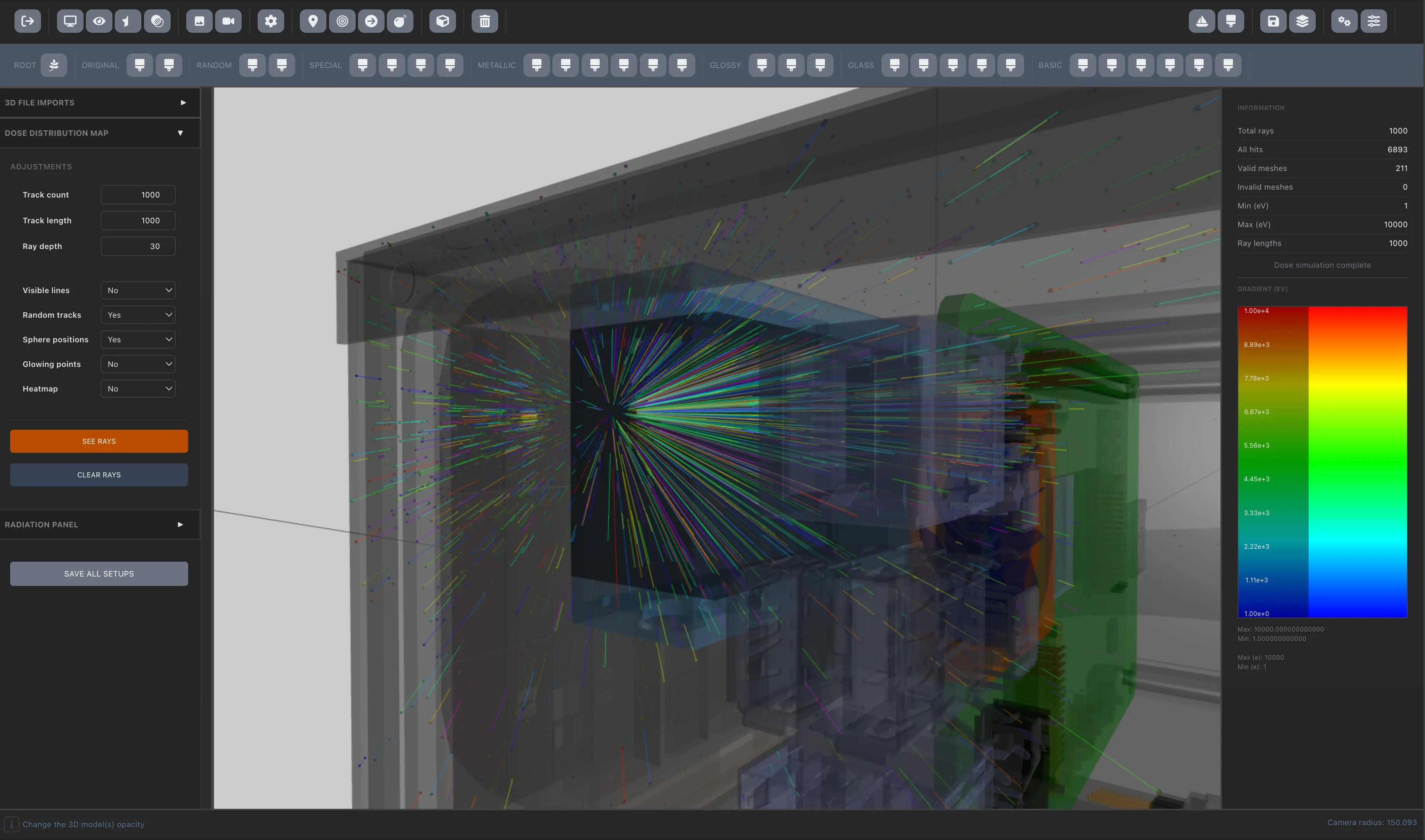
Support radiation environment assessment, shielding analysis, component exposure evaluation, and radiation risk reduction for spacecraft subsystems and mission scenarios.
Useful when component reliability, shielding mass, or mission environment drives design risk.
Evaluate early mission concepts, compare architecture options, and identify key constraints before committing to a design path.
Useful when you need to decide whether a mission concept is technically realistic.
Analyze communication constraints, link margins, ground station access, data volume, and downlink feasibility.
Useful when mission success depends on whether you can reliably get the data down.
Assess how orbit selection affects mission lifetime, operational feasibility, regulatory constraints, and debris mitigation planning.
Useful when orbit choice has long-term consequences for feasibility and compliance.
Help teams prepare technically credible material for proposals, feasibility reviews, grant applications, or early customer discussions.
Useful when you need credible engineering material under time pressure.
How we work
We clarify the mission context, assumptions, constraints, and the decision you need to make.
We identify the right method, model, or custom workflow for the engineering question.
We evaluate scenarios, assumptions, margins, sensitivities, and design options.
You receive clear results, assumptions, plots, summaries, and recommendations that can support design reviews, proposals, or internal decisions.
Relevant experience
Our team has contributed to subsystem-level radiation analysis for Lunar and Venus mission studies, including Total Ionizing Dose, Total Non-Ionizing Dose, and Single Event Effects assessments supporting PDR- and CDR-level engineering reviews.
We bring the same review-oriented mindset to our service work: transparent assumptions, defensible calculations, and outputs that help teams make design decisions under uncertainty.
Contact
Tell us what you are trying to evaluate. We can help you identify whether a focused engineering study, independent review, or custom analysis workflow is the right fit.
info@ephemersys.comOnline scheduling
Choose an available time for a SatZone, Sector Tool, or mission analysis discussion.